Beyond The Fruit Bowl: 7 Genius Ways Asian Kitchens Use Plums
While the West frequently relegates plums to sweet tarts, crumbles, or simple fruit bowls, Asian culinary traditions treat this stone fruit with a completely different level of reverence. Across South, East, and Southeast Asia, the plum is highly prized for its sharp acidity and natural pectin, making it a powerful tool for cutting through fat, tenderizing meat, and anchoring complex fermentations. Here are seven remarkable ways plums are utilised in Asian kitchens that completely redefine how you can consume this seasonal fruit.

| Admin User
Jun 08, 2026
 Share
Share 


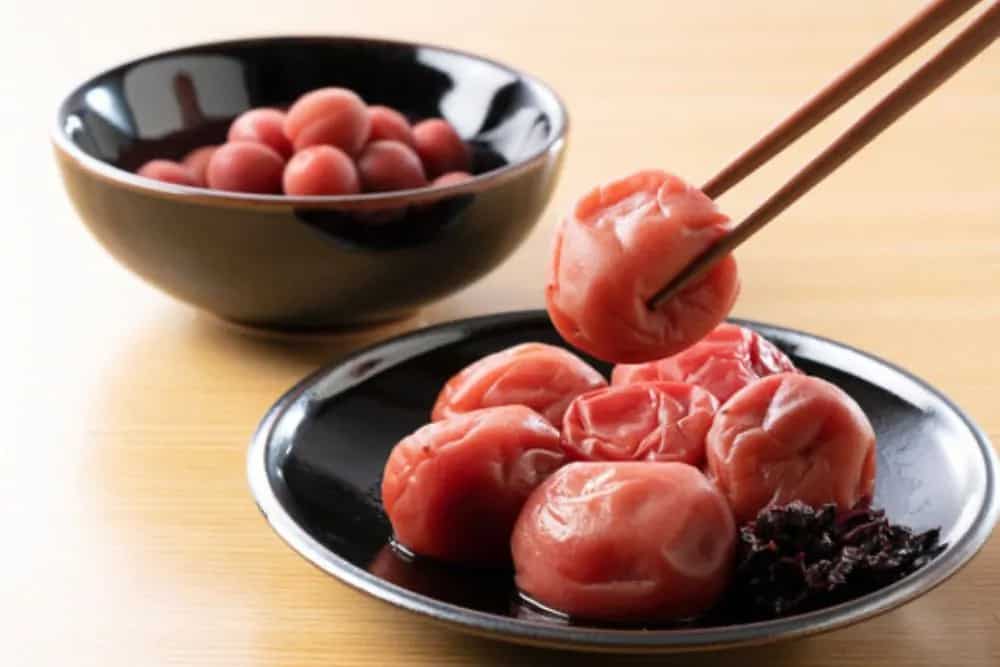
1. Fermented as a Rice Companion
In Japan, the umeboshi is a staple of the daily diet. These are green ume plums that have been salted, fermented, and sun-dried until they shrivel into intensely sour, salty little globes. Often packed with red shiso leaves for a brilliant crimson hue, a single umeboshi placed in the centre of a white rice bowl or stuffed inside an onigiri rice ball acts as both a palate cleanser and a powerful digestive aid.
Share
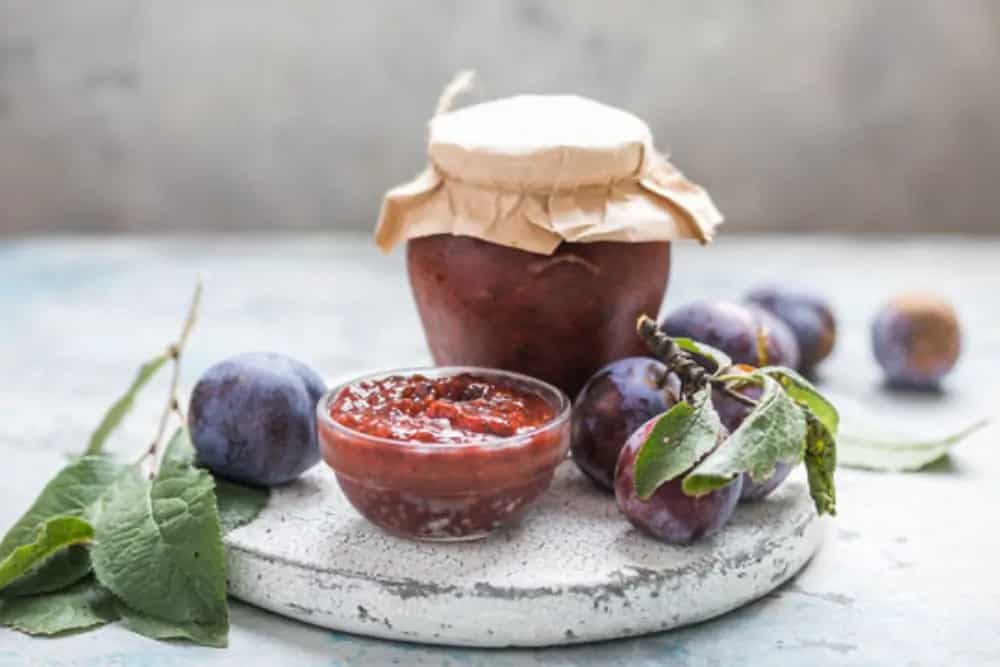
2. As a Glaze for Savoury Braises
In Cantonese cuisine, the natural tartness of green and red plums is weaponised to balance heavy, fatty proteins. When cooked down into a rich paste with sugar, vinegar, and ginger, plums create a glossy glaze that clings beautifully to roasted meats. The fruit acids actively work to break down muscle fibres in meat during slow braises, adding a subtle fruity undertone that cuts right through the richness of proteins like duck or pork belly without making the dish cloyingly sweet.
Share
3. Infused into Chilled Summer Drinks
Across China and Taiwan, suanmeitang or sour plum drink is the ultimate traditional remedy for scorching summer heat. Made by simmering smoked plums with sweet osmanthus flowers, liquorice root, and rock sugar, the resulting deep amber beverage is served ice-cold. The combination offers an incredibly complex, smoky, sweet, and tart flavour profile that instantly cools the body and settles the stomach after a spicy meal.
Share
4. Preserved as a Spicy Street Food Snack
In India, particularly across northern regions, dried or semi-dried plums find their way into direct culinary snacking. Often salted, sun-dried, and heavily dusted with black salt, roasted cumin powder, and chilli flakes, these dried plums become a concentrated burst of sweet, sour, and intensely spicy flavours. They are consumed plain as digestive lozenges or sliced thin to add a surprising chewy texture to street food chaats.
Share
5. Steamed with Delicate Seafood
In Teochew style cooking, salted preserved plums are a critical aromatic ingredient used when steaming fresh whole fish. Rather than masking the natural sweetness of the seafood, a couple of mashed sour plums scattered over the fish alongside slivers of ginger and scallions create a light, savoury broth as it steams. The clean, fruity acidity completely neutralises any fishy notes, resulting in an exceptionally elegant, refreshing sauce right in the dish.
Share
6. Steeled Into an Intensely Fragrant Liqueur
Umeshu, or Japanese plum liqueur, proves that the fruit belongs in the bar just as much as the kitchen. Whole green ume plums are steeped in a neutral spirit with rock sugar for several months, allowing the alcohol to slowly extract the deep, almond-like aroma from the plum pits along with the tartness of the flesh. The resulting amber liquid is velvety, aromatic, and complex, enjoyed over ice or topped with sparkling water as a refreshing aperitif.
Share
7. Fermented Into a Multi-Purpose Green Plum Syrup
In Korea, the arrival of late spring signals the time to make maesil-cheong, an indispensable green plum syrup found in almost every home pantry. Whole green plums are layered with an equal weight of sugar and left to ferment for at least one hundred days. The resulting concentrated extract is a masterclass in versatility. It is diluted with cold water to make a refreshing summer tea that helps soothe digestion, or used as a natural sweetener in savoury marinades, dipping sauces, and gochujang-based dressings. The syrup introduces a sharp, bright fruit acidity and a subtle floral depth that sugar alone can never replicate.
Share