Baisakhi 2026: 5 Traditional Foods To Celebrate The Harvest
Baisakhi marks the vibrant peak of the rabi harvest, where the landscape of Northern India is transformed by the golden hues of ripening wheat. This festival is a culinary ode to the soil's fertility, characterized by rich, wholesome dishes that bridge the gap between spiritual offering and festive feast. The traditional menu is a masterclass in utilizing the season’s bounty; focusing on artisanal grains, clarified butter, and the aromatic warmth of saffron and cardamom to celebrate the solar New Year.

| Admin User
Apr 10, 2026
 Share
Share 


1. Kada Prasad
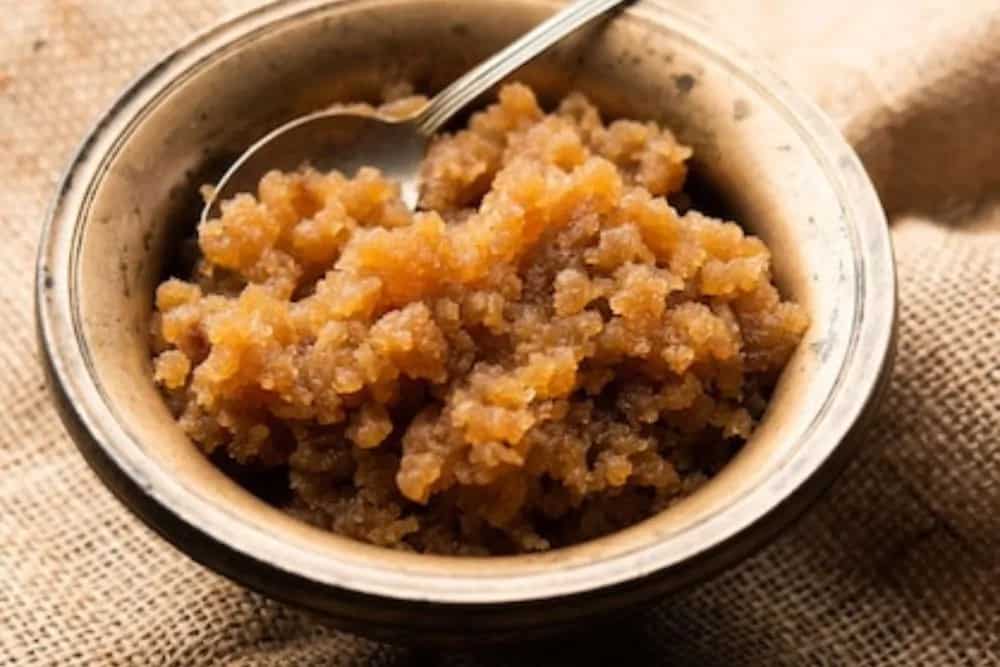
This is perhaps the most sacred and iconic preparation associated with Baisakhi. Served at Gurdwaras as a symbol of equality and blessing, it is a rich, velvety halwa made from equal parts whole wheat flour (atta), clarified butter (ghee), and sugar. The flour is slow-roasted until it achieves a deep, nutty mahogany hue, resulting in a texture that is dense yet melts instantly on the tongue. It represents the very essence of the wheat harvest being celebrated.
Share
2. Meethe Chawal (Peele Chawal)
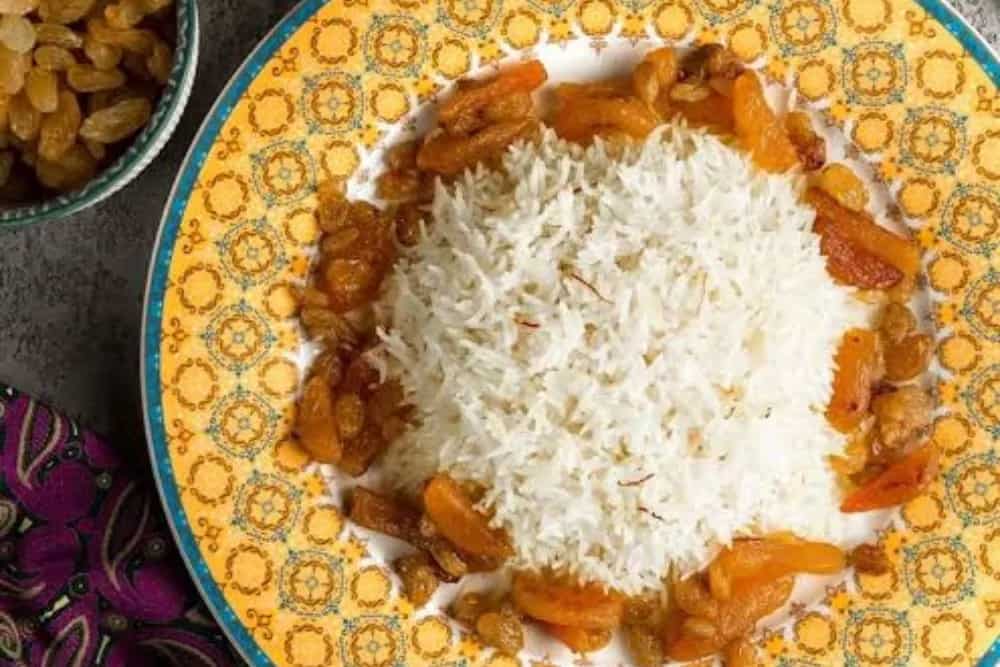
Also known as Kesari Bhat, this sweet rice dish is a visual representation of the spring harvest. Long-grain basmati rice is infused with saffron (kesar) or turmeric to achieve its signature bright yellow colour, symbolizing the blooming mustard fields. It is delicately sweetened and studded with dry fruits like almonds, cashews, and raisins, often perfumed with whole cloves and cardamom to provide a sophisticated, aromatic profile.
Share
3. Pindi Chole and Bhature
While enjoyed year-round, Chole Bhature takes center stage during Baisakhi as the quintessential celebratory meal. Pindi Chole is distinct for its dark, nearly black colour, achieved by simmering chickpeas with tea leaves and a potent blend of dry spices like pomegranate powder (anardana) and black cardamom. Paired with Bhature, deep-fried, fermented leavened bread, it offers a textural contrast that is both indulgent and deeply satisfying.
Share
4. Sarson da Saag and Makki di Roti
As Baisakhi celebrates the end of the harvest, it is the final opportunity to enjoy the last of the seasonal mustard greens (sarson). The saag is slow-cooked for hours with bathua and spinach, tempered with ginger, garlic, and green chillies. It is served with Makki di Roti (unleavened cornmeal flatbread) and a generous dollop of white butter, representing the rustic, hardworking spirit of the Punjabi farming community.
Share
5. Kesari Phirni
To round off the festive meal, Phirni is the preferred dessert over standard kheer due to its elegant, creamy consistency. Made from finely ground rice simmered in thickened milk and flavoured with saffron, it is traditionally set in shallow earthenware bowls (kasore). The clay absorbs excess moisture, resulting in a thick, pudding-like texture that carries a faint earthy aroma, perfectly complementing the floral notes of the saffron.
Share