8 Traditional Indian Foods That Naturally Boost Immunity
With the Northern parts of India observing the lowest temperatures of all time, the best way to keep your body nourished and warm is to go by Ayurveda. From the traditional drinks like haldi vala doodh and kanji to treats like panjiri and chyawanprash, scroll through some of the time-tested recipes to survive the winter chill.

| Garima
Jan 16, 2026
 Share
Share 


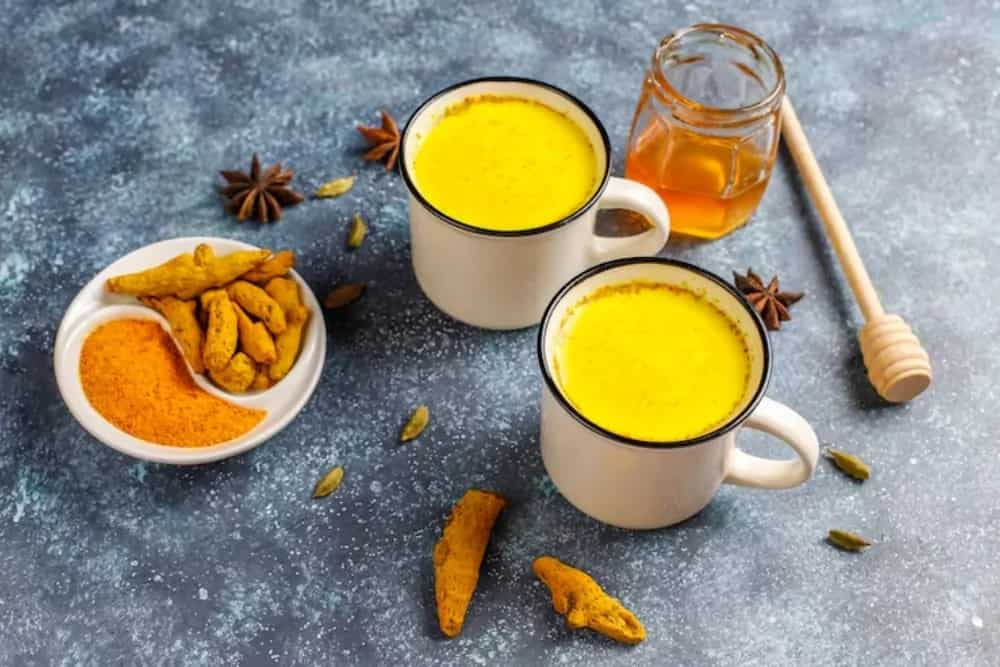
Haldi Vala Doodh
Haldi vala doodh features warm spices like turmeric, black pepper, and cinnamon, along with a generous amount of dry fruits and nuts. The anti-inflammatory properties of the haldi and the warmth of nuts help fight infections and boost immunity. Add a little honey, and you’ll be able to soothe your throat instantly. It is recommended that you drink a glass of haldi vala doodh before going to bed, and you’ll also have a calm sleep.
Share
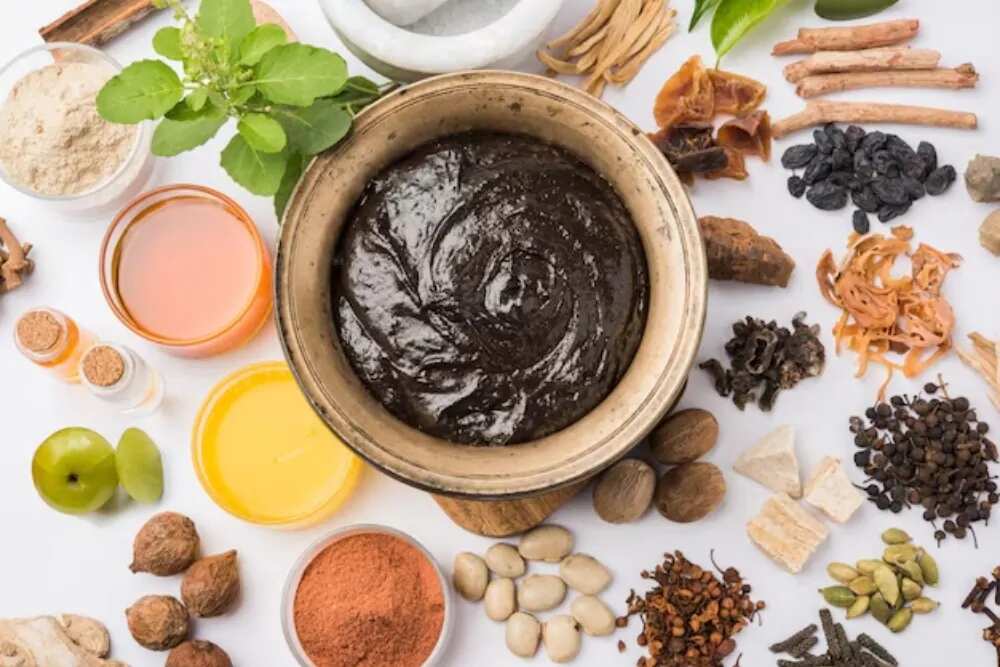
Chyawanprash
As per Ayurvedic studies, chyawanprash is known to be the world’s oldest multivitamin. Having a base of amla, it has a jam-like consistency and a dark colour. It is cooked with more than forty herbs and spices like tulsi, neem, ashwagandha, with ghee and honey. Depending on the brand, chyawanprash has around 34-83 mg of vitamin C per 100 grams, thus making it an impeccable immune booster.
Share
Pinni
Pinni is a winter staple that is prepared in most Punjabi households as soon as the calendar turns to December. It is made by roasting whole wheat flour in desi ghee. With the addition of a generous amount of dry fruits, nuts, makhana, gond, and various types of seeds, it aids digestion and keeps the body warm. Pinnis are usually enjoyed as a post-meal treat or paired with chai.
Share
Ajwain Water
Ajwain water is a quick fix for an itchy throat. Simple to prepare, all you need to do to make this drink is boil some carom seeds in water, strain, and sip a glass. The best time to drink ajwain vala paani is early in the morning after waking up, as it can clear the congestion in the nasal passages and also relieve bloating.
Share
Kanji
Kanji is a North Indian probiotic that has been popularly used for generations to strengthen immunity during the winter season. Made by fermenting carrots and beetroot with mustard seeds, kanji helps to build a healthy microbiome. To make it, blend the ingredients with water and let the drink ferment in a martaban in the Sun.
Share
Rasam
For a traditional South Indian winter option, rasam is just the right choice. It is much more than just a soup. With a thinner consistency than sambar, rasam is made by blending tomatoes with imli and a rasam spice blend. Traditionally served in most South Indian homes before a meal, rasam helps to boost digestion and soothe the throat during the chilly weather.
Share
Gond Ke Ladoo
Gond, aka edible gum, is a natural resin that is known for its heat-generating properties. Apart from making panjiri, North Indian homes also use gond to make ladoos. You can deep-fry the edible gum till it puffs up and grind it into a coarse powder. Then, roast a flour of your choice in desi ghee, and mix in jaggery and fried gond. Shape the mixture into ladoos, and you have a winter staple that is a dense source of energy.
Share
Gajar Ka Halwa
The winter season is synonymous with gajar ka halwa, also known as gajrela. However, besides being the most loved dessert of the season, since gajrela is made with carrots, desi ghee, and nuts, it also contains healthy fats and vitamin A. Giving your body warmth and promoting skin health, you have all the right reasons to relish the sweet.
Share