7 Indian Coffee Estates You Should Visit At Least Once
The Indian specialty coffee movement has rapidly evolved beyond traditional cultivation methods to embrace scientific processing, precise fermentation, and strict canopy management. While the high altitude estates of the Western Ghats have historically dominated the market, emerging regions in the east and northeast are now producing highly competitive lots. These seven estates highlight the shifting geography and technical advancement of Indian coffee.

| Admin User
Jul 10, 2026
 Share
Share 


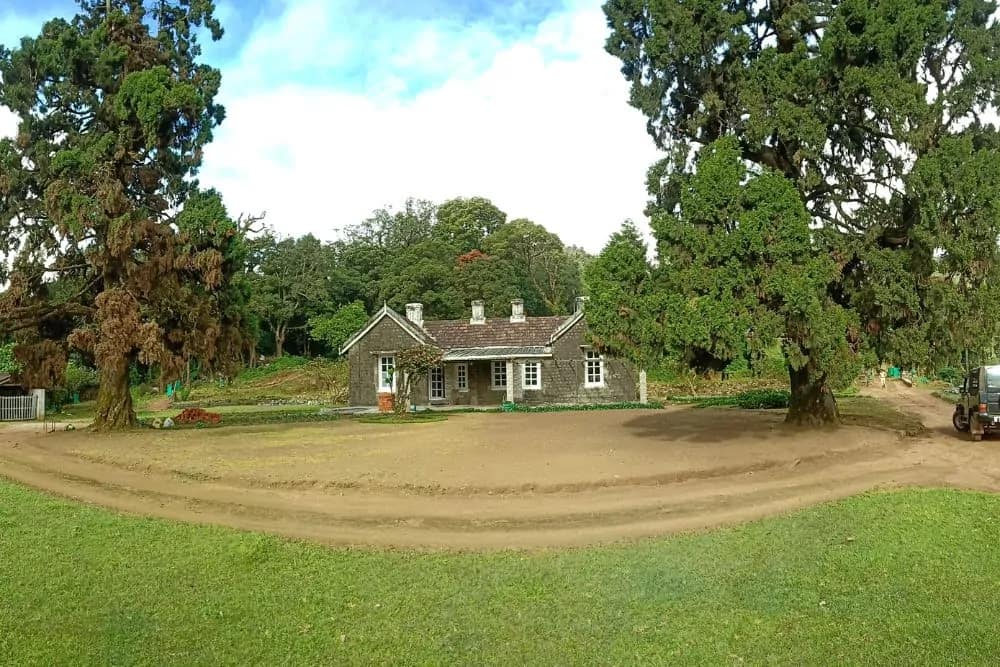
1. Attikan Estate, Karnataka
Located in the Biligiri Rangan Hills, Attikan Estate operates at elevations ranging from 1200 to 1650 metres. The property is managed by Sangameshwar Coffee Estates and is named after the white fig trees native to the area. The dense forest canopy provides deep shade that slows the maturation of the coffee cherries, allowing complex sugars to develop within the fruit. The planters focus heavily on cultivating heritage Indian varietals like Selection 795 and Cauvery. Attikan is widely respected for its highly consistent washed Arabica lots. The resulting cup profile is characteristically clean and sweet, featuring dominant tasting notes of roasted almonds, milk chocolate, and subtle stone fruit acidity.
Share
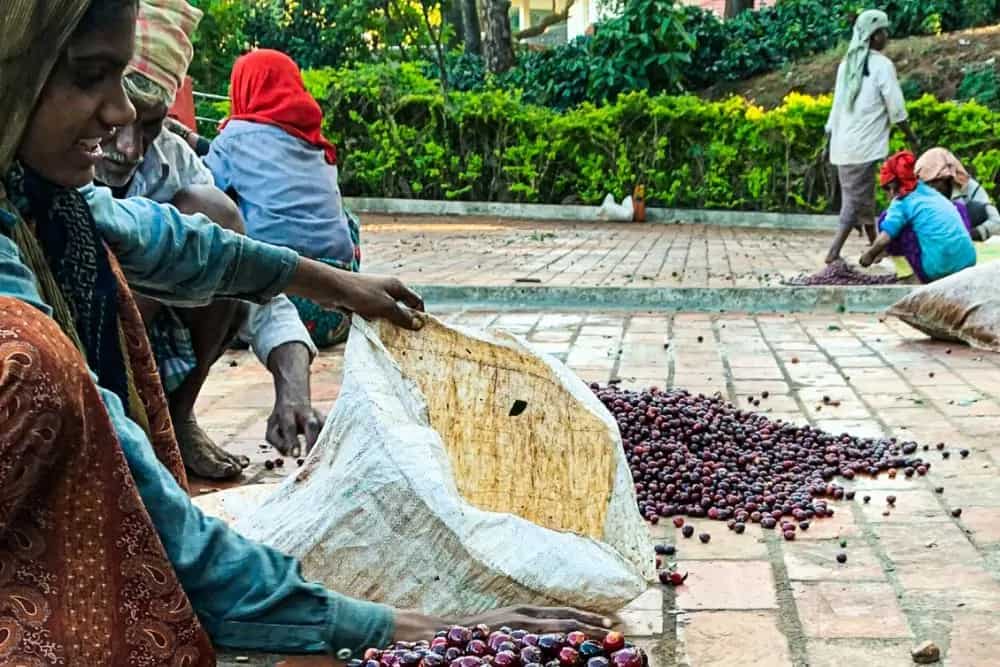
2. Ratnagiri Estate, Karnataka
Ratnagiri Estate sits atop the Bababudangiri range, an area recognised as the historical birthplace of Indian coffee. Under the direction of producer Ashok Patre, the estate has shifted from conventional farming to highly experimental processing. The farm uses custom built stainless steel tanks to execute controlled anaerobic fermentations and carbonic maceration techniques. The farmers cultivate high yield varietals like Catuai and Selection 9 beneath a thick canopy of silver oak trees. By tightly controlling the fermentation environment, Ratnagiri produces coffees with dense, syrupy bodies and intense fruit forward profiles. These lots frequently exhibit tasting notes resembling red wine, dark cherry, and dark cacao.
Share
3. Riverdale Estate, Tamil Nadu
Situated in the Shevaroy Hills near Yercaud, Riverdale Estate benefits from the distinct microclimate of the Eastern Ghats. The estate operates at roughly 1450 metres above sea level and has gained a strong reputation for post harvest innovation. The managing team conducts extensive trials with natural processing and fruit infused macerations to manipulate the final flavour of the beans. The cool nighttime temperatures in the region help preserve the delicate cellular structure of the coffee cherries during the drying phase on raised African beds. Riverdale coffees are notably vibrant, often displaying bright citrus acidity, sharp berry notes, and distinct floral aromatics that stand apart from typical southern Indian profiles.
Share
4. Kerehaklu Estate, Karnataka
Kerehaklu Estate is a highly biodiverse plantation located in the Chikmagalur district. Run by producer Pranoy Thipaiah, the farm integrates coffee cultivation directly into the native forest ecosystem, allowing wild flora and fauna to thrive alongside the crops. While they grow excellent Arabica, Kerehaklu is particularly notable for elevating the quality of Indian Robusta. They selectively harvest and carefully process specific Robusta varietals like CxR, treating them with the same rigorous fermentation protocols usually reserved for specialty Arabica. This careful handling strips away the harsh bitterness typically associated with commercial Robusta, resulting in a remarkably smooth cup with deep notes of roasted cacao, earthy sweetness, and ripe jackfruit.
Share
5. Baarbara Estate, Karnataka
Also located in the Chikmagalur district, Baarbara Estate encompasses high altitude terrain that peaks at 1500 metres. The property is managed by the Giri family, who rely on generations of agronomic expertise combined with modern sorting technology. The estate is dedicated to traditional washed processing and strict environmental sustainability, ensuring the local water sources remain uncontaminated by agricultural runoff. The farmers maintain a multi tiered shade canopy that supports a massive variety of local bird species. Baarbara beans are dense and strictly graded, yielding a highly classic and comforting flavour profile. A standard brew from this estate delivers a full body with dominant flavours of dark chocolate, brown sugar, and toasted hazelnut.
Share
6. Koraput Plantations, Odisha
The Eastern Ghats region of Odisha is emerging as a vital new origin for Indian specialty coffee. High altitude plantations in the Koraput district operate between 900 and 1100 metres above sea level. These farms are entirely managed by indigenous agricultural communities, including the Paraja and Kondh tribes, often with support from state development cooperatives. The farmers grow Arabica beneath a mixed canopy of silver oak and native fruit trees, relying strictly on natural compost rather than synthetic fertilisers. The red laterite soil of the region imparts a highly specific terroir to the beans. Koraput coffee is celebrated for its low acidity, smooth mouthfeel, and a sweet profile that heavily features caramel and mild citrus notes.
Share
7. Karbi Anglong Gardens, Assam
While Assam is globally famous for its sprawling tea estates, smallholder farmers in the Karbi Anglong district are successfully cultivating specialty coffee. The regional climate, characterised by heavy mist and steady rainfall, supports the growth of Arabica at elevations around 800 to 1000 metres. The transition to coffee farming provides a sustainable economic alternative to traditional slash and burn agricultural practices. These highland plots are typically shaded by towering betel nut trees and dense forest foliage. Because the plants grow at a slightly lower altitude than those in the Western Ghats, the resulting coffee develops very low tannin levels. The Assam profile is distinctly mellow, offering clean wild berry fruitiness and a delicate finish reminiscent of black tea.
Share