5 Winter-Only Sweets Built Around Seeds And Jaggery
Winter is the season where seeds and jaggery (gur) take center stage. This combination isn't just delicious; it’s a functional tradition. Seeds provide essential fats and minerals, while jaggery offers a slower release of energy and iron, helping the body maintain its core temperature.

| Akshara Dattani
Jan 17, 2026
 Share
Share 


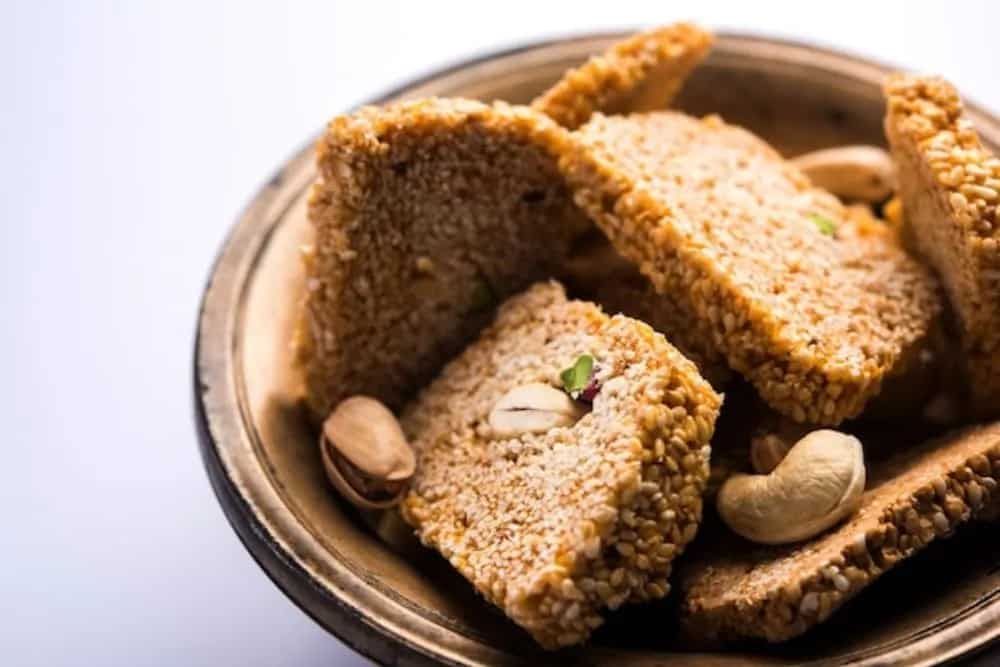
Gajak
A specialty from northern India, particularly Morena. Unlike simple brittle, Gajak involves a laborious process of "pulling" the jaggery until it’s airy and then layering it with roasted sesame seeds.
Share
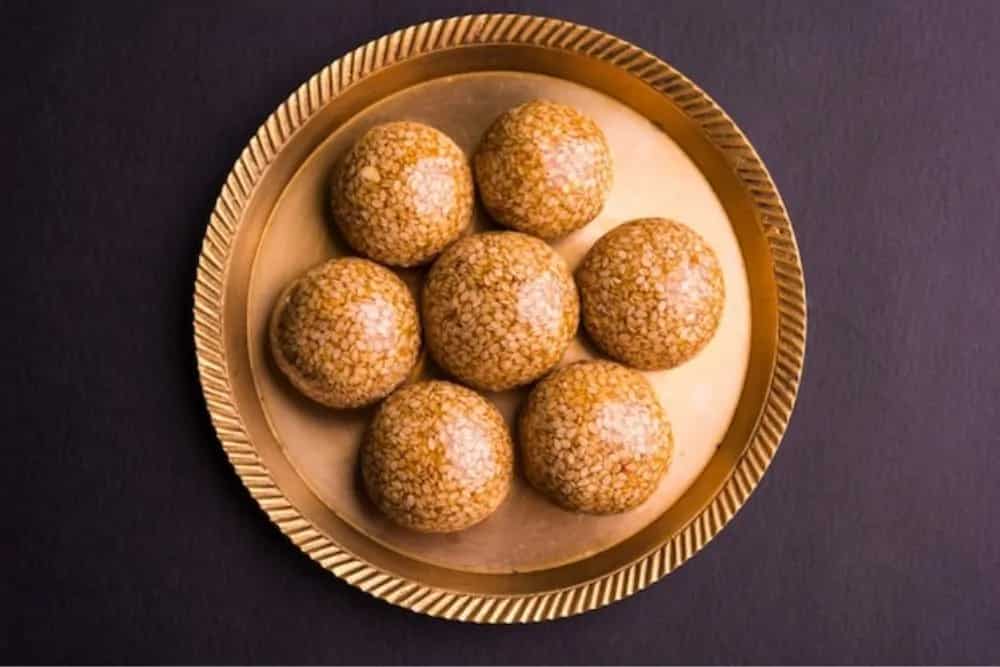
Til Ladoo
The most iconic winter treat in many regions, especially around the harvest festivals. These are bite-sized balls made by roasting sesame seeds (white or black) and binding them with melted jaggery.
Share
Aliv Ladoo
Often called a "superfood" sweet, these are made from tiny, reddish-brown garden cress seeds (Aliv or Halim). They are soaked, usually in coconut water or milk, and then cooked with jaggery and grated coconut.
Share
Alsi Pinni
While Pinni can be made with various bases, the winter version often features Alsi (flaxseeds). The seeds are roasted, ground, and mixed with whole wheat flour, ghee, and jaggery.
Share
Mixed Seed Chikki
A modern take on the traditional peanut chikki, this version uses a blend of pumpkin seeds, sunflower seeds, melon seeds, and sesame seeds held together by a glassy, hard-cracked jaggery syrup.
Share