5 Tips For Ensuring Your Kitchen Garden’s Survival In September
September is a peculiar month for a kitchen garden in India: the monsoon is retreating in some regions, humidity still clings to the air, and sunlight can suddenly turn fierce. It is also the perfect time to reset beds before the cooler growing season arrives. A little strategic pruning, sowing and soil care now can prevent a flourishing garden from becoming a soggy jungle.

| Kaushiki
Sep 02, 2026
 Share
Share 


1. Give Waterlogged Soil A Breather
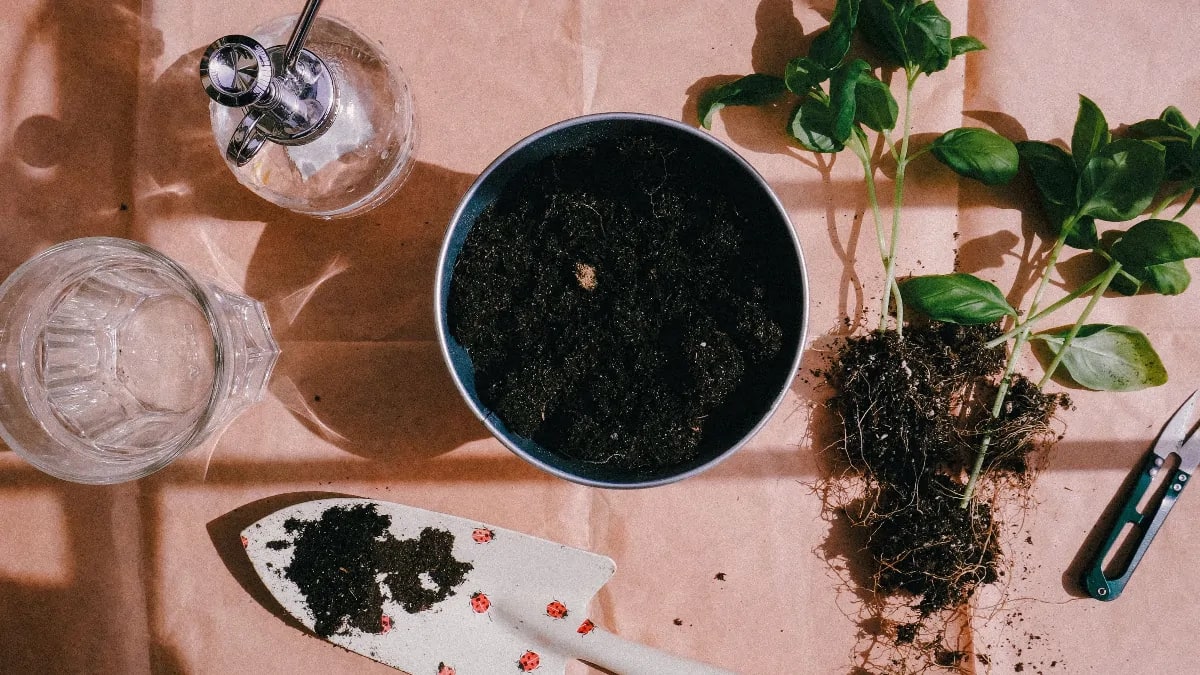
If your pots still feel swampy after the monsoon, stop watering until the top layer of soil has dried slightly. Loosen compacted soil gently with a hand fork and clear blocked drainage holes so excess water can escape. For grow bags, raise them on bricks or a rack rather than leaving them flat on the floor.
Share
2. Prune Your Monsoon Jungle
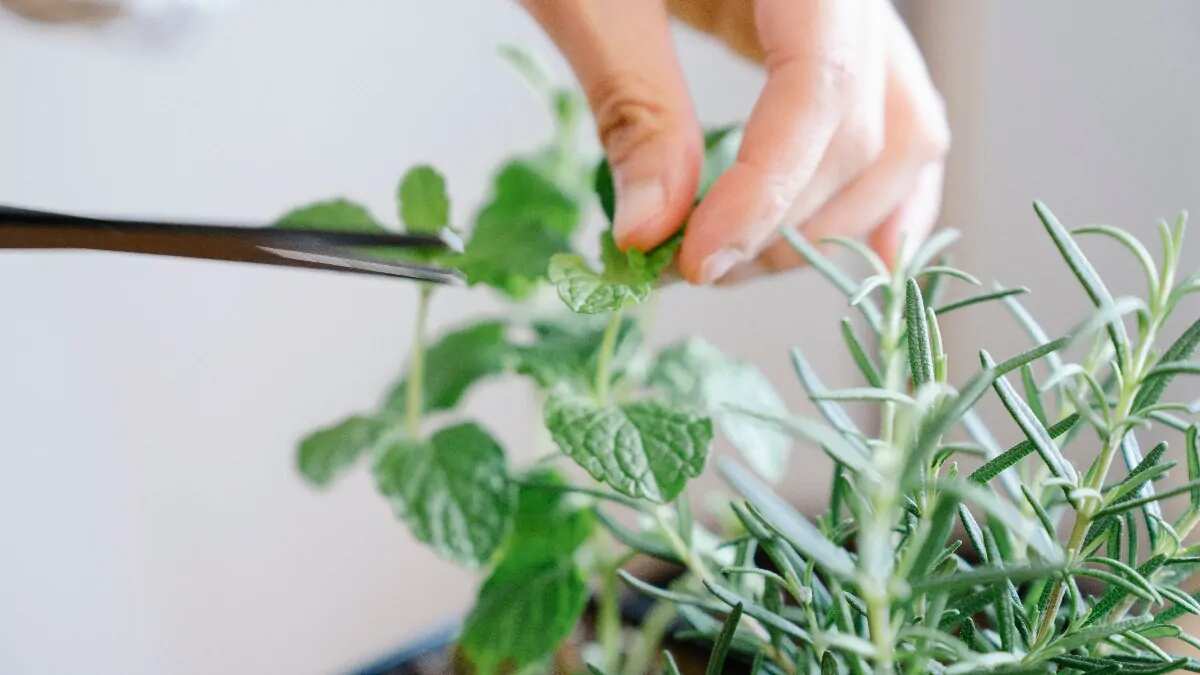
September is the time to tame kitchen plants that have gone gloriously wild in the rains. Remove yellowing leaves, spent flowers and weak, overcrowded stems to improve airflow around the plant. Remember to use clean, sharp secateurs as ragged cuts invite trouble when humidity remains high.
Share
3. Chase Away Fungal Problems
Keep an eagle eye out for powdery patches, blackened leaves and suspicious spots, particularly on dense foliage. Strip off affected leaves and bin them instead of adding them to your compost heap. Water the soil, not the leaves, and avoid splashing foliage in the evening when it remains damp for hours.
Share
4. Start Your Cool-Season Seeds
September is the bridge month between monsoon crops and vegetables that relish cooler weather. Depending on your region, begin planning for coriander, radish, carrot, beetroot, peas, and leafy greens as temperatures ease. Sow in batches rather than all at once, so one erratic spell of weather does not wipe out your entire culinary crop.
Share
5. Inspect Every Plant For Stowaways
Tender new growth is irresistible to aphids, whiteflies, caterpillars, and other garden freeloaders. Check the undersides of your leaves and the junctions between stems and foliage every few days. Catching an infestation early means you still have time to remove affected leaves or pests before the problem becomes a full-blown botanical coup.
Share