5 Must-Try Late Summer Mangoes That Rule The Markets In June
By the time June arrives, the early-season favourites like the Alphonso, Safeda and Payapalli begin to fade from the markets, clearing the stage for the true heavyweights of mid-to-late summer. The shifting weather patterns and the arrival of pre-monsoon showers trigger the ripening of some of the country’s most intensely sweet, aromatic, and complex mango varieties. If you want to experience the absolute zenith of the Indian summer harvest, these are the five regional mangoes you need to seek out this month.

| Admin User
Jun 09, 2026
 Share
Share 


1. Langra (Uttar Pradesh & Bihar)
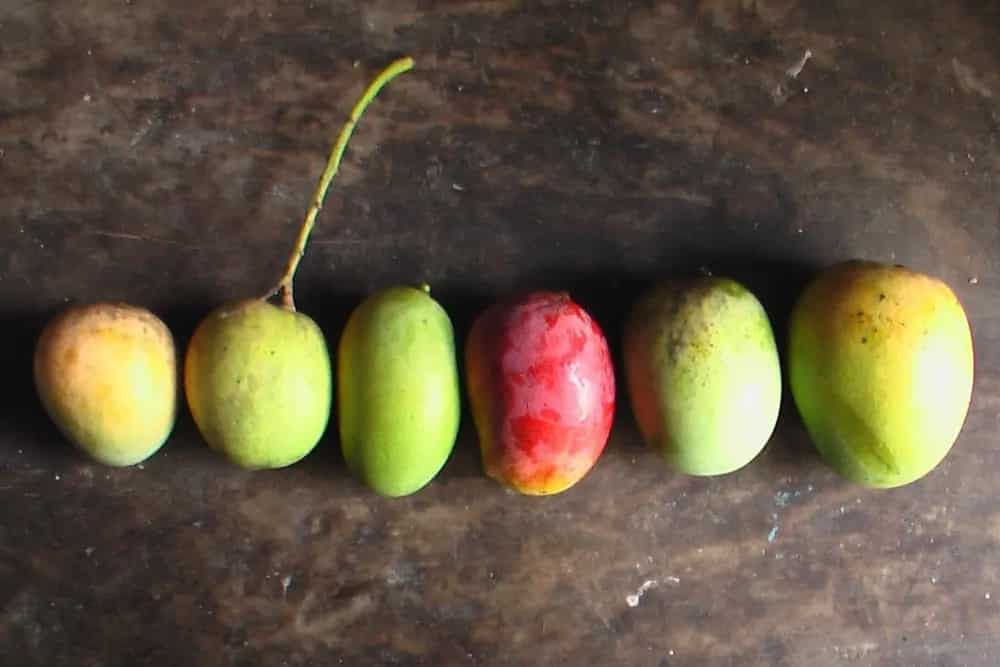
Originating near Varanasi, the Langra is a masterclass in culinary deception. Unlike varieties that turn a brilliant golden-yellow when ripe, the Langra retains a distinct, grass-green skin even at full maturity. The magic happens beneath the surface; its flesh is a deep lemon-yellow, completely fibreless, and boasts an incredibly intense, almost spicy sweetness paired with a heady, floral aroma. It hits its absolute peak in the second and third weeks of June.
Share
2. Chausa (North India)
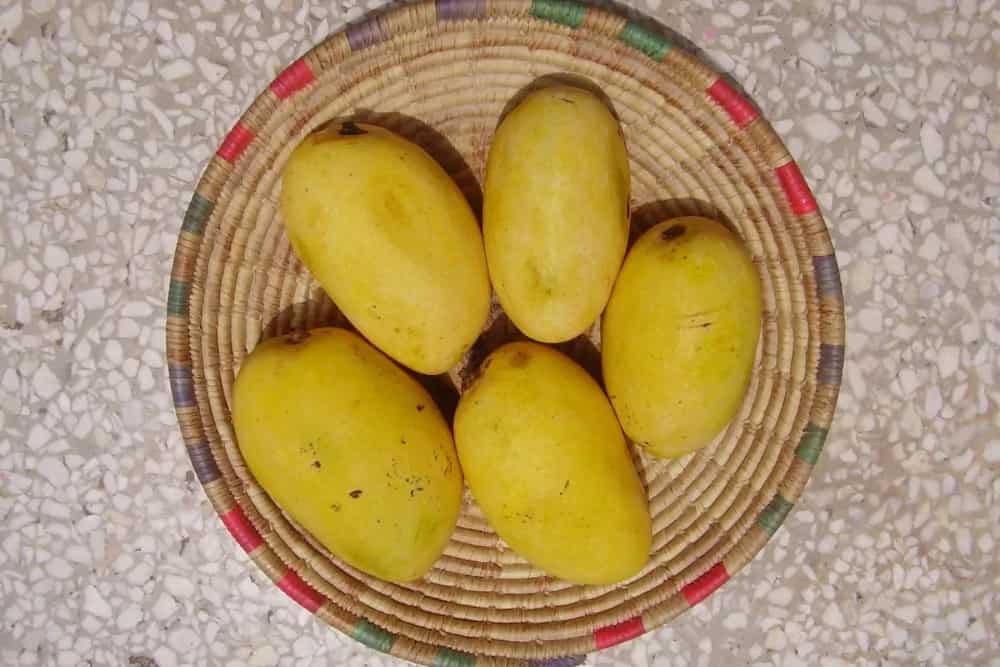
If you prefer your mangoes to be pure, unadulterated liquid gold, the Chausa is unparalleled. Characterised by its bright yellow, slightly elongated shape, this late-season variety is legendary for its exceptionally sweet, juicy pulp. It has uniquely minimal fibre, making it the premier choice for traditional sucking rather than slicing. The sweetness is incredibly rich, with a deep, honey-like aftertaste that lingers on the palate.
Share
3. Dasheri (Uttar Pradesh)
The pride of Malihabad, the Dasheri is one of India’s oldest and most revered cultivars. Recognisable by its long, elegant, oval shape and lime-green to yellow skin, this mango offers a beautifully balanced flavour profile. Its sweetness is refined and sophisticated rather than cloying, accompanied by an unmistakable fragrance that fills the entire room. The firm, smooth flesh makes it an exceptional choice for elegant dessert slicing or pairing alongside a summer cheese platter.
Share
4. Kesar (Gujarat)
Grown in the foothills of Gir, the Kesar is affectionately dubbed the Queen of Mangoes for its distinct, intoxicating aroma that carries notes of saffron. While it begins arriving in late May, June is when the fruit reaches its ideal sugar-to-acid equilibrium. The skin is often a dull green with a bright yellow blush, but cutting it reveals an intensely orange, velvety pulp that anchors the finest regional summer staples like fresh aamras.
Share
5. Amrapali (West Bengal & Odisha)
A brilliant hybrid of the Dasheri and Neelum varieties, the Amrapali is a late-season gem that thrives deep into June. It is a relatively small mango, but what it lacks in physical size, it more than compensates for in concentrated flavour. The flesh is an arresting, deep orange-red hue and contains a significantly higher beta-carotene content than most other varieties. Its texture is exceptionally thick and rich, offering a potent, jammy sweetness with a distinct tropical punch.
Share