5 Gujarati Farsan Recipes To Pair With Your Rainy Evening Tea
The arrival of the monsoon across Gujarat completely transforms the late afternoon tea ritual. Dark clouds and heavy rainfall create an immediate craving for hot savoury snacks known locally as farsan. These traditional preparations rely on robust ingredients like gram flour, fresh seasonal greens, and whole spices to provide warmth and comfort during damp weather. Paired with a steaming cup of strong ginger tea, these snacks offer a brilliant balance of crispy textures and deep spicy flavours. These five classic Gujarati farsan recipes are essential additions to any rainy day menu and provide the perfect culinary antidote to the stormy weather outside.

| Admin User
Jun 29, 2026
 Share
Share 



1. Dal Vada
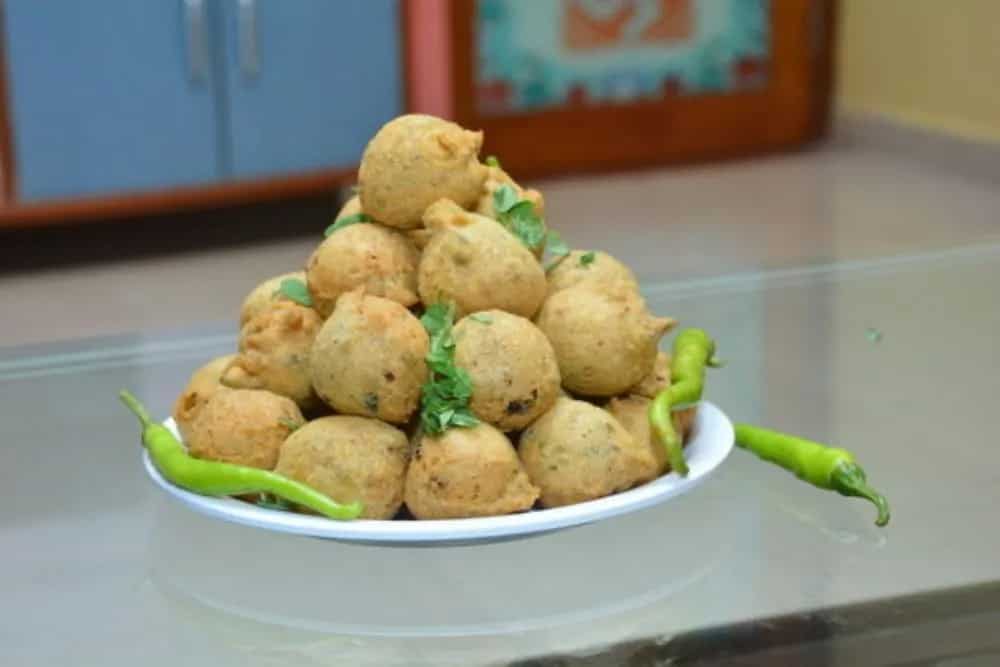
The ultimate monsoon street food experience centres entirely around perfectly crisp dal vada. To prepare this classic snack, soak one cup of whole green moong dal and half a cup of split yellow moong dal in water for at least four hours. Drain the lentils completely and grind them into a coarse thick paste without adding any extra water to ensure the batter remains dense. Vigorously whisk the batter using your hands for five minutes to incorporate air, which guarantees a light and fluffy interior. Fold in two tablespoons of finely chopped green chillies, a generous piece of grated ginger, fresh coriander, and salt. Drop small spoonfuls of this spiced batter into a deep pan of hot oil and fry them on medium heat until they develop a deep golden brown crust. Serve these piping hot fritters immediately alongside fried green chillies and raw sliced onions for a sharp pungent contrast to the earthy lentils.
Share
2. Methi na Gota
These incredibly soft spongy fenugreek fritters are a beloved staple in households during heavy downpours. Begin by sifting two cups of coarse gram flour into a large mixing bowl to remove any lumps. Add one cup of finely chopped fresh fenugreek leaves, half a cup of chopped coriander, and a tablespoon of coarsely crushed black peppercorns and coriander seeds. Stir in a teaspoon of red chilli powder, a pinch of turmeric, sugar, salt, and two tablespoons of hot oil to enrich the dough. Gradually add water to form a thick dropping consistency batter, then activate it with a quarter teaspoon of baking soda and a splash of lemon juice just before frying. Gently drop round portions of the batter into hot oil, frying them on medium heat until they puff up beautifully and turn golden on the outside while remaining incredibly airy inside. Pair these steaming hot fritters with a sharp yoghurt and mint chutney for the perfect afternoon tea experience.
Share
3. Patra
Patra is a highly technical sweet and spicy steamed snack made from broad colocasia leaves that flourish during the rainy season. Start by thoroughly washing and de-veining six large colocasia leaves, wiping them completely dry. Create a thick spreadable paste by whisking two cups of fine gram flour with half a cup of tamarind pulp and half a cup of grated jaggery to balance the natural itchiness of the raw leaves. Season this paste heavily with ginger paste, green chilli paste, turmeric, red chilli powder, sesame seeds, and salt. Place the largest leaf face down on a flat surface and smear a generous even layer of the spiced batter over it, then place another leaf on top and repeat the process until all leaves are stacked. Roll the entire stack tightly into a thick cylinder, steam it for twenty minutes until the gram flour cooks completely, and let it cool before slicing it into thin rounds. Finish the dish by shallow frying the slices in hot oil tempered with mustard seeds, sesame seeds, and a pinch of asafoetida until the edges become brilliantly crisp.
Share
4. Handvo
Handvo is a deeply traditional nutrient dense savoury cake that provides incredible warmth and sustenance during gloomy monsoon evenings. Prepare the base by soaking a mixture of rice, split pigeon peas, Bengal gram, and black gram overnight, then grinding them into a coarse batter and fermenting it for eight hours to develop a slight tang. Fold in two cups of grated bottle gourd, half a cup of yoghurt, and a vibrant spice paste made from crushed green chillies, ginger, and garlic. Activate the heavy batter with a small pinch of fruit salt to ensure it rises nicely in the pan. Heat a heavy bottomed skillet with oil and create a rich tempering of mustard seeds, sesame seeds, curry leaves, and dried red chillies before pouring in a thick layer of the vegetable batter. Cover and cook on low heat until the bottom forms a dark crusty shell, then carefully flip it to crisp the other side, resulting in a robust sliceable cake that pairs flawlessly with strong masala chai.
Share
5. Khichu
Khichu is a profoundly comforting warm rice flour dough that is traditionally served steaming hot on rainy afternoons. In a heavy bottomed pot, boil three cups of water alongside a teaspoon of cumin seeds, finely chopped green chillies, grated ginger, and a small pinch of baking soda, which helps achieve the signature soft texture. Once the spiced water reaches a vigorous rolling boil, lower the heat completely and gradually pour in one cup of fine rice flour while stirring continuously and aggressively with a wooden rolling pin to prevent any lumps from forming. Cover the pot tightly and let the dough steam in its own moisture on the lowest possible heat for five to seven minutes until it becomes translucent and non-sticky. Spoon the hot soft mixture onto individual serving plates and create a small well in the centre of each portion. Pour a generous spoonful of raw peanut oil into the well and sprinkle heavily with sharp fiery pickle masala to create a simple yet incredibly satisfying spicy snack.
Share