At the heart of everyday Nepali cooking is dal-bhat-tarkari, the triumvirate of lentil soup, steamed rice, and seasonal vegetables that sustains millions of Nepalis across every stratum of society. This is also seen in the Nepali communities and cuisine cultures that have seeped through in India as well, where the food from the kitchens of Nepal has a soft spot for anyone. What unites this vast culinary landscape is a philosophy of resourcefulness and respect and a refusal to waste, a commitment to using every part of an ingredient, and a deep understanding that flavour is not found only in the most prized cuts of meat or the rarest spices, but in the patience of slow cooking, in the marriage of a few well-chosen aromatics which is precisely where Nepali Pangra enters the story.
Image Credit: Wikimedia Commons
What Is Nepali Pangra?
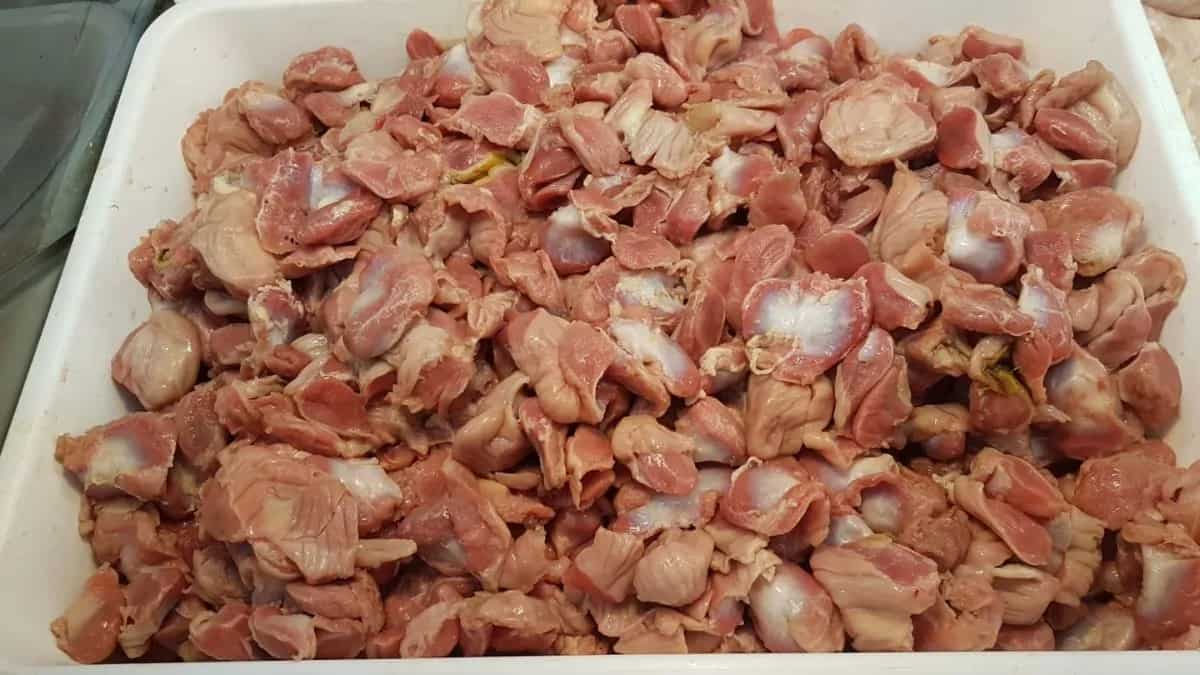
Pangra, the local Nepali term for chicken gizzards, is a dish that sits proudly at the intersection of tradition, thrift, and extraordinary beloved across households and roadside stalls because it represents everything that Nepali cooking does best. In Nepali society, especially in rural communities and traditional households, every part of the chicken is valued, and stands as the delicious proof of this ethos.
This holds a special place in Nepali cuisine due to its rich texture and a bold mix of spices, enjoyed as a side dish or a hearty snack, often alongside drinks, and traditionally served during special occasions and gatherings, which tells you something important about its cultural weight. The preparation begins with meticulous cleaning, because the gizzard's firm walls can carry impurities that must be removed through careful rinsing and sometimes a long soak in salted or vinegar-tinged water, after which the pieces are marinated in a paste of fresh ginger, garlic, turmeric, coriander powder, and salt, allowed to rest so the spices can penetrate and begin the tenderizing work that cooking will complete.
Image Credits: Flickr
Gizzards require slow cooking or thorough stir-frying to become tender without becoming rubbery, and Nepali cuisine has that type of a balance of heat, tang, and earthiness in its spice combinations. Whether it is finished as a dry fry crackling with chilli heat, simmered into a rich tomato-based curry with cumin and mustard seeds, or tossed with capsicum and onions in the street-food style that has made chilli a firm urban favourite in Kathmandu and beyond. To eat Nepali is to taste a culture that has always found abundance not in excess but in ingenuity, and that, perhaps, is the most Himalayan thing about it.
Culinary Uses Of Pangra In Nepali Kitchens And Beyond
Pangra Dry Fry
The most popular preparation is fry, the dry version where cleaned gizzards are marinated in turmeric, ginger-garlic paste, red chilli powder, and salt, then cooked over high heat in mustard oil. It is cooked until the moisture evaporates completely and the exterior develops a deep, crackling char that locks in the juices within. Cumin seeds, dried red chilies, and sliced onions are tossed in toward the end, giving the dish a smoky, almost caramelized finish that pairs spectacularly with beaten rice or chilled drinks.
Pangra Curry
Slow-cooked in a richly spiced tomato-onion gravy, curry is the comfort food for a simple meal craving in Nepali homes. The gizzards are first browned in hot oil to seal their surface, then submerged in a sauce built from caramelised onions, ripe tomatoes, cumin, coriander powder, turmeric, Kashmiri chilli, and a finishing splash of garam masala. Next, the pangra curry is simmered low and slow until the meat is completely tender and every piece has absorbed the sauce deeply into its dense walls and then served over steamed rice or torn alongside fresh roti.
Pangra Sadeko
Sadeko is Nepal's technique of tossing cooked or raw ingredients with a punchy mixture of mustard oil, timur or Sichuan pepper, fresh ginger, green chillies, lemon juice, red chilli powder, and coriander. When applied to boiled or lightly fried pangra, it produces one of the most electrifying cold preparations in Nepali cuisine, a dish where the gizzard's chewy density becomes a vehicle for layers of heat, numbing spice, and sharp citrus that linger on the palate long after the last bite, especially as a summer salad!
Image Credits: Flickr
Pangra Khana
In the tradition of Nepal's beloved khana set or the full platter meal, pangra is incorporated as the meat component alongside steamed white rice, dal, a seasonal vegetable tarkari, achar pickle, and a small serving of yoghurt. This entire thali of sorts transforms it from a snack into the centrepiece of a balanced, nourishing meal that reflects the Nepali principle of harmony on the plate. The pangra in this context is typically prepared as a semi-dry curry, with enough gravy to mix through the rice without making it soupy.