Before packaged electrolyte drinks and flavoured beverages became common, Indian households had their own ways of handling extreme heat. Traditional drinks had ingredients that helped cool the body, replace what sweating takes away, improve digestion, and reduce the sluggishness caused by hot weather.
During summer, the body continuously loses fluids and minerals through sweat. This can make you feel tired, drained, heavy, or dizzy, even when you are drinking water regularly. Plain water helps you keep hydrated, but many traditional Indian drinks go one step further by combining water with ingredients like salt, curd, spices, herbs, or raw mangoes that help the body feel more refreshed and energised during hot weather.
This is one reason salted and spiced drinks have remained part of Indian summers for generations. They add not only flavour, but they are also closely tied to climate, heat management, and everyday energy levels during peak summer.
Sattu Sharbat
Across Bihar, Jharkhand, and eastern Uttar Pradesh, sattu sharbat has traditionally been treated as both a cooling drink and an energy-supporting summer staple. Made using roasted gram flour mixed with water, lemon, cumin, and salt, it feels far more sustaining than many lighter beverages. Unlike drinks that provide only temporary refreshment, sattu is often consumed during working hours or travel because it helps people feel fuller and less exhausted in extreme heat. The combination of hydration and nourishment makes it particularly suited for Indian summers.
(Image Credit: Freepik)
Chaas
Chaas is one of the most common summer drinks across Indian households because it is light, cooling, and easy on the stomach during hot weather. It is made using curd, water, roasted cumin, mint, and black salt. Chaas is good, especially during afternoons when heavy meals and heat can often leave you feeling sleepy or sluggish. The curd adds a cooling element while the salt and spices help make the drink feel more restorative after sweating or spending time outdoors.
Jaljeera
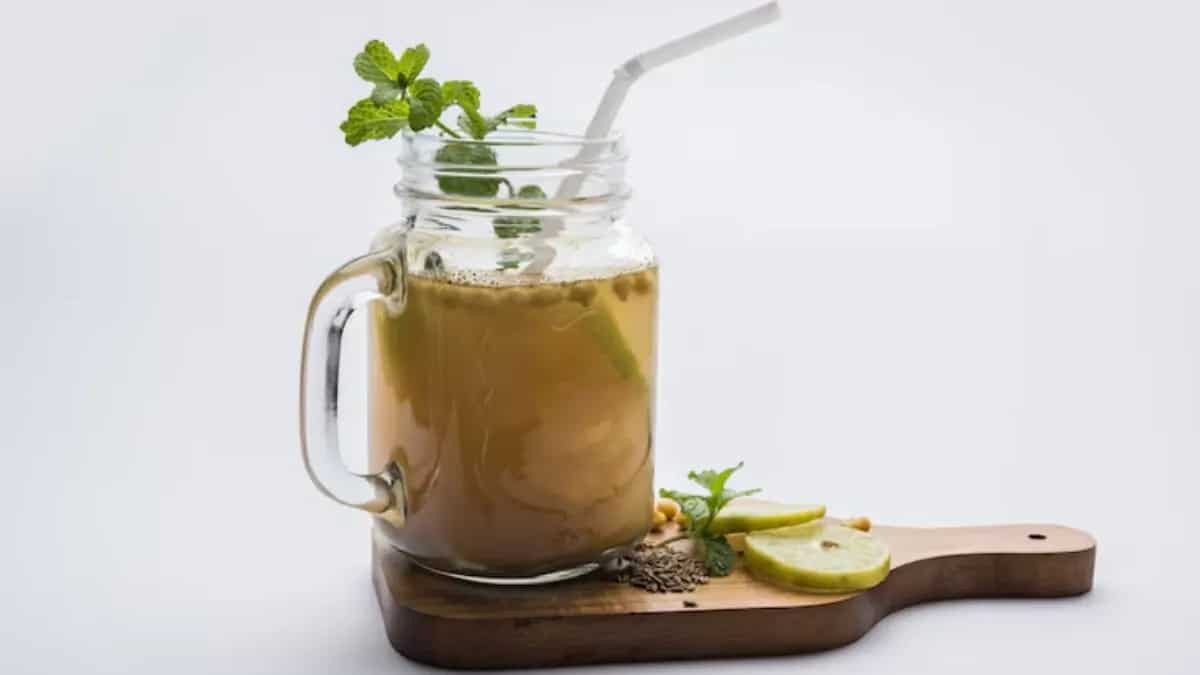
Jaljeera uses spices and herbs to create refreshment instead of relying heavily on sugar. Mint, cumin, black salt, tamarind, and coriander give the drink its sharp, savoury flavour. During summer, many people experience reduced appetite, heaviness, or digestive issues because of the heat. Jaljeera helps overcome it and also makes the body cooler and more refreshed. When you add salt and spices to it, the drink feels more satisfying than plain water alone after sweating.
(Image Credit: Freepik)
Nimbu Pani
Nimbu pani might look simple, but traditional versions often include black salt or rock salt along with lemon and sugar. This balance is part of what makes the drink feel more effective during hot weather. Sweating throughout the day can leave you feeling weak or drained, especially during humid conditions. Salted lemon water helps the body feel more refreshed than sugary packaged drinks, which may temporarily cool the body but can make you thirstier later.
Coconut Water
Coconut water is now often marketed as a wellness drink, but in coastal India it has long been treated as a natural summer cooler. Its light sweetness and refreshing quality make it especially useful after long exposure to heat. Coconut water hydrates you, without making the stomach feel full or uncomfortable during humid weather. This is one reason why it continues to remain closely tied to Indian summer routines.
(Image Credit: Freepik)
Aam Panna
Aam panna has been associated with Indian summers for generations, especially in regions that experience dry heatwaves. It is prepared using raw mangoes, mint, cumin, sugar, and black salt. Aam panna is tied to the idea of recovering from harsh summer conditions. Raw mangoes have sharpness and tang, while salt and spices make the drink more refreshing during extremely hot days. Many households continue preparing aam panna not simply for taste, but because it helps reduce the exhaustion that often follows long hours in the sun.